Lightweight electric bicycle reveals its true colors
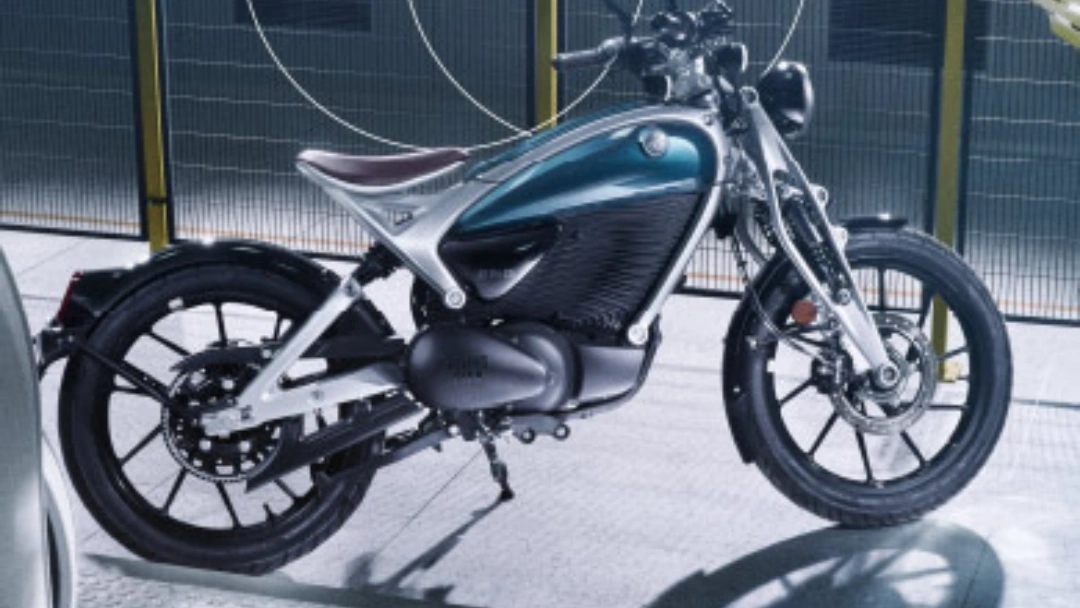
The electric-powered Royal Enfield Flying Flea C6 made its debut back in November 2024 at the EICMA in Milan, while the scrambler-styled S6 followed suit just a year later, although production is expected to be delayed until 2026. That is why until recently, it wasn’t possible to find out the exact specs of the new electric-powered Royal Enfield model. However, the manufacturer has revealed the first important parameters of its debut C6 motorcycle in India, confirming such important parameters as power output, top speed, weight, battery capacity and range.
Also Read : 2026 KTM 1390 Super Duke RR First Look – The Ultimate Naked Beast
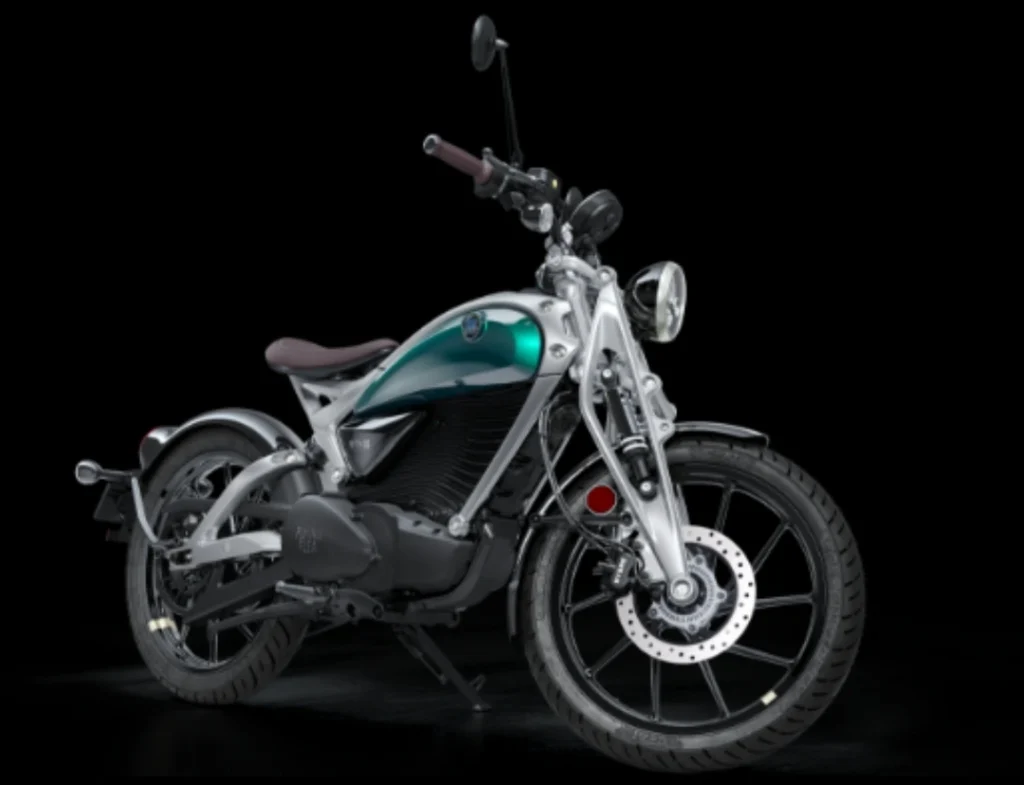
Here they are in no particular order. The bike will get 15.4kW of power output from the permanently excited synchronous motor. This is about the level of a regular 125cc single-cylinder combustion-engined bike. Naturally, it is possible to expect that torque from the electric-powered bike will exceed the torque of the ICE counterpart. In the case of the Flying Flea C6, it is 60Nm of torque that will allow the bike reach 60 km/h in just 3.7 seconds. There will be five ride modes on the bike: city, highway, rain, sport, and customizable one.
The maximum speed can allegedly reach up to 115km/h and is comparable to other 125cc bikes on the market. In addition, the Flying Flea’s weight of just 124kg fits perfectly into expectations for the 125cc segment.
Also Read : Triumph Thruxton 400 & Tracker 400 First Ride Review
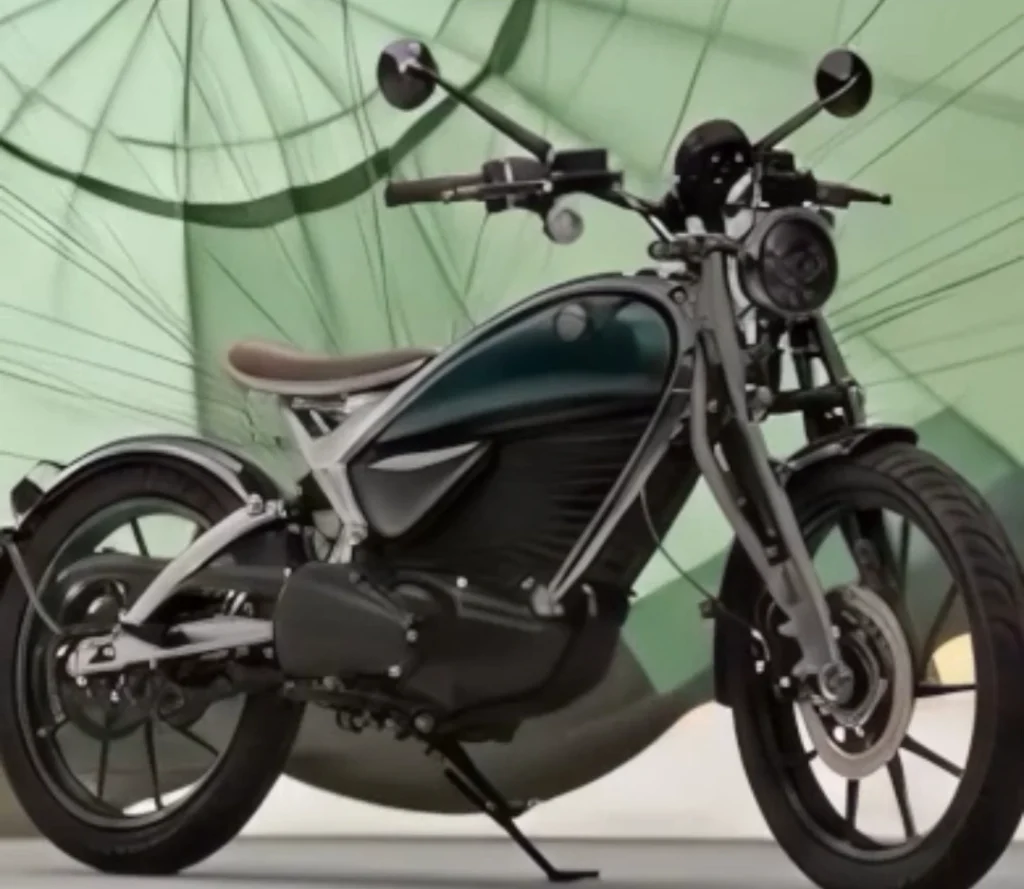
Is everything fine? Well, not quite. If we want to make our electric bike as light as possible, we have to compromise on another component: batteries. While the KTM Freeride E weighing 112kg packs 5.5kWh into its battery, the Flying Flea’s only 3.91kWh is considerably lower. You won’t be able to travel as far on this vehicle. In optimal driving cycle conditions of the Indian Driving Cycle (IDC), the Flying Flea reaches 154km on a fully charged battery. One of the ways to charge the battery is through regenerative braking, which allows riders to charge their batteries by turning the throttle in the opposite direction. However, according to Indian reviewers, the actual range is estimated at 80km – less than half of the alleged IDC number. Rider weight and external temperature affect that number as well, so every user will receive a unique experience.