When American drivers shop for a new vehicle, one question appears again and again: Toyota vs Honda reliability — which brand is better?
Both Japanese automakers have built legendary reputations in the United States for producing dependable cars, SUVs, and hybrid vehicles. Models like the Toyota Camry, Toyota Corolla, Honda Civic, and Honda Accord regularly appear at the top of reliability rankings and resale value reports.
But reliability goes beyond simple brand reputation. It includes long-term durability, maintenance costs, mechanical engineering quality, warranty coverage, and real-world ownership experiences.
In this detailed comparison, we examine toyota vs honda reliability using real data, engineering insights, and ownership trends in the USA automotive market. By the end, you will understand which brand truly delivers the most dependable vehicles for American drivers.
Read More:
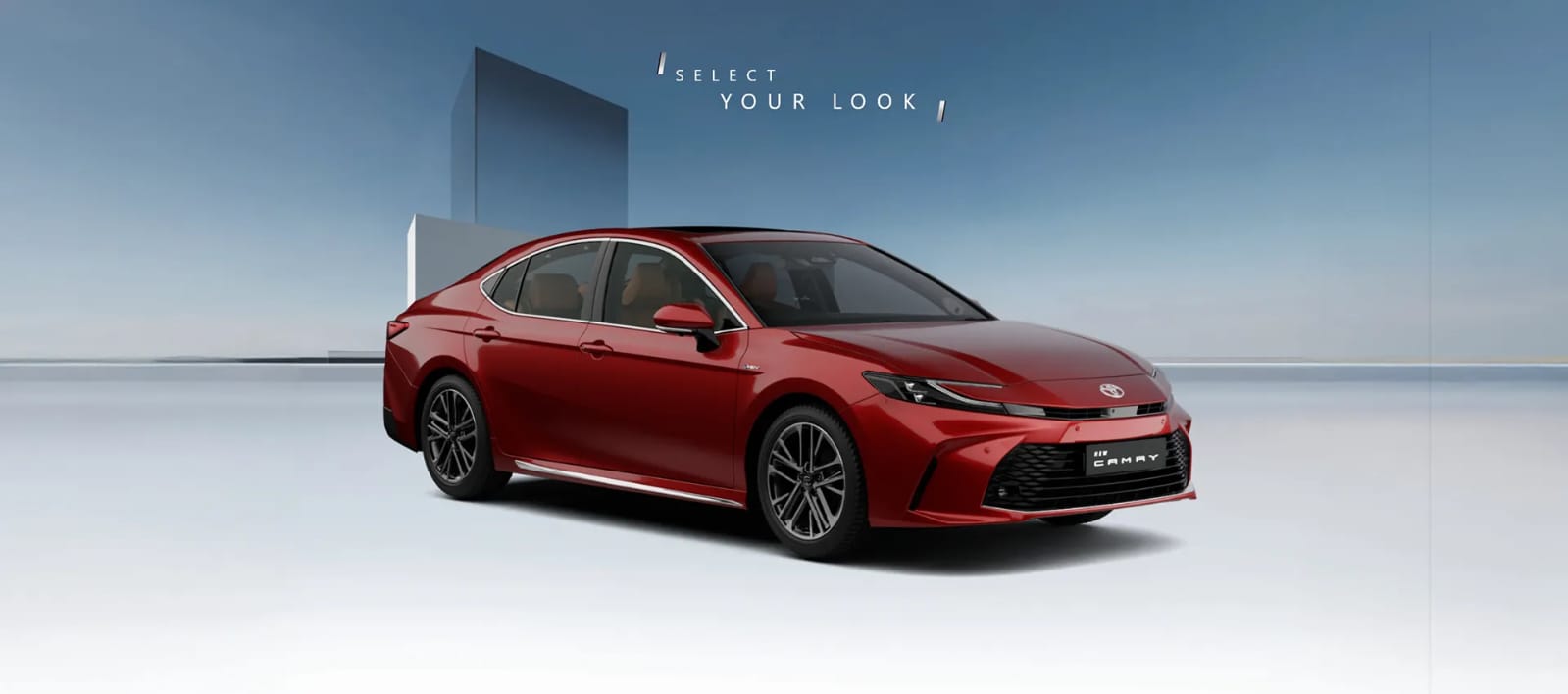
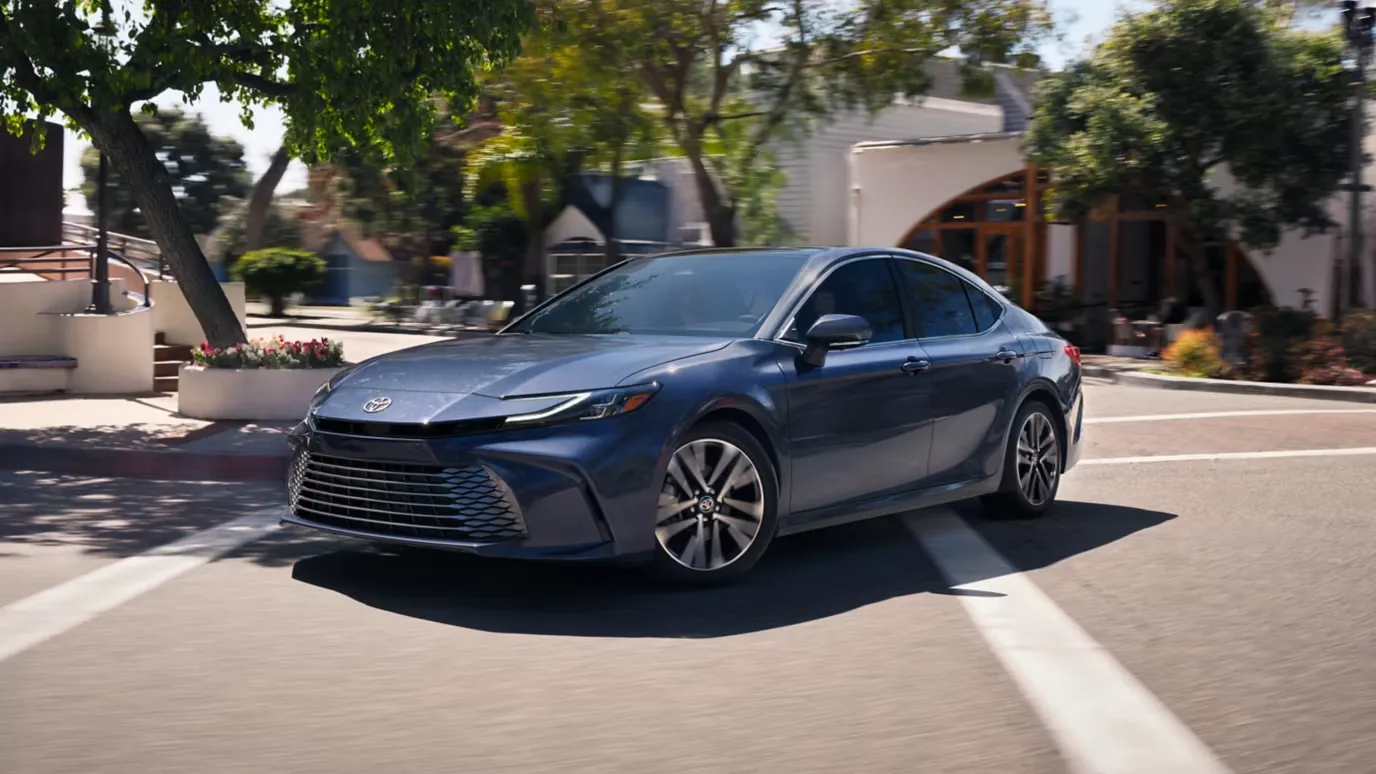
Toyota camry 2025
Overview of the Vehicle
Although this comparison focuses on brands rather than a single vehicle, Toyota and Honda both dominate the American reliability market with several flagship models.
Toyota’s reputation centers on conservative engineering and extremely durable powertrains. The company focuses on long-term dependability rather than radical redesigns. Vehicles like the Camry, Corolla, Tacoma, and RAV4 are known for lasting well over 200,000 miles with proper maintenance.
Honda, on the other hand, blends reliability with a sportier driving experience. The brand’s vehicles often feature more responsive engines and dynamic handling. Popular models like the Civic, Accord, CR-V, and Pilot attract drivers who want reliability without sacrificing performance.
In the toyota vs honda reliability debate, Toyota often wins in pure durability metrics, while Honda tends to appeal to drivers who prefer engaging performance alongside reliability.
Another major difference is engineering philosophy.
Toyota typically introduces technology slowly, testing it extensively before mass deployment. Honda sometimes takes a more innovative approach, which can lead to exciting engineering but occasionally slightly higher maintenance complexity.
Still, both brands consistently rank near the top of reliability studies conducted by automotive research organizations in the United States.
Engine, Performance & Top Speed
Reliability in modern vehicles largely depends on engine durability and drivetrain engineering.
Toyota engines are widely known for their longevity. Many of the brand’s powertrains use naturally aspirated engines rather than highly stressed turbocharged setups. This conservative approach reduces mechanical strain and increases long-term durability.
For example:
Toyota Camry Engine Options
• 2.5L 4-cylinder engine
• 203 horsepower
• 184 lb-ft torque
• Top speed around 135 mph
Toyota Hybrid System
Toyota’s hybrid technology is also considered one of the most reliable in the world. The Toyota Hybrid Synergy Drive used in models like the Prius and RAV4 Hybrid has been refined for decades and is known for exceptional longevity.
Honda engines, however, are famous for high-revving efficiency and responsive performance.
Honda Accord Engine Options
• 1.5L turbocharged 4-cylinder
• 192 horsepower
• 192 lb-ft torque
• Top speed around 125 mph
Honda Civic Engine Options
• 2.0L naturally aspirated engine
• 158 horsepower
• Excellent fuel efficiency
Honda’s engineering typically emphasizes power-to-weight efficiency and smooth acceleration.
However, in the toyota vs honda reliability discussion, Toyota’s simpler engine designs often contribute to slightly lower long-term repair rates.
That said, Honda engines have historically proven extremely durable as well, particularly the Civic and Accord powertrains.
Design and Exterior Features
Exterior design doesn’t directly affect reliability, but engineering design choices often influence long-term durability.
Toyota vehicles generally prioritize functional design and structural integrity. The brand uses proven platforms that undergo years of refinement before major redesigns.
For example, the Toyota RAV4’s TNGA platform was designed with improved chassis rigidity, corrosion resistance, and better weight distribution.
These structural engineering improvements increase long-term reliability and crash durability.
Honda vehicles tend to emphasize sportier styling and aerodynamic efficiency. The brand’s design language includes aggressive front grilles, sleek body lines, and more driver-focused proportions.
The Honda Civic’s modern design, for instance, focuses on lightweight materials and aerodynamic optimization, improving fuel economy and performance.
But from a durability standpoint, Toyota’s more conservative redesign cycle often gives its vehicles a slight advantage in the toyota vs honda reliability comparison.
Still, both brands maintain strong build quality and long-lasting body structures.
Interior & Technology
Modern vehicles rely heavily on electronic systems, infotainment platforms, and driver assistance technology. These components can affect long-term reliability.
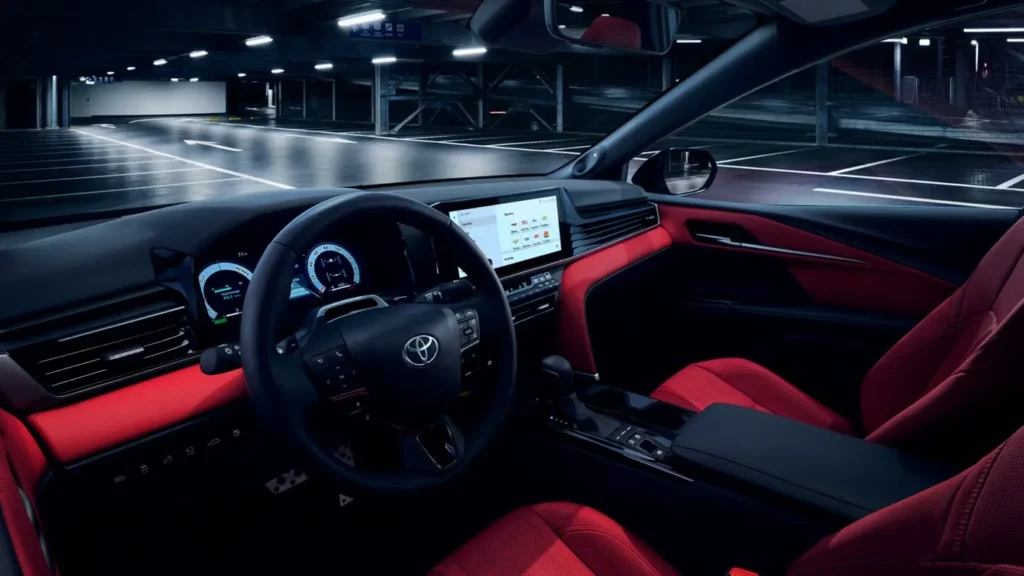
Toyota interiors are generally simple, durable, and easy to use. The brand focuses on practicality rather than excessive complexity.
Typical Toyota interior features include:
• 8–12 inch infotainment displays
• Apple CarPlay and Android Auto compatibility
• Digital instrument clusters
• Wireless smartphone charging
• Durable cloth or synthetic leather seating
Toyota infotainment systems are often considered extremely stable and less prone to software glitches compared to some competitors.
Honda interiors, meanwhile, emphasize premium design and driver engagement.
Common Honda interior features include:
• Honeycomb dashboard design (Civic)
• 9-inch touchscreen display
• Premium Bose sound systems
• Wireless Apple CarPlay & Android Auto
• Digital gauge clusters
Honda often provides slightly more upscale cabin materials in similar price ranges.
However, additional complexity in infotainment and electronic systems can occasionally impact reliability.
Overall, both brands offer dependable technology, but Toyota’s simpler design philosophy again contributes to its strong reliability reputation.
Safety Features
Safety engineering plays a major role in vehicle dependability and long-term ownership value.
Both Toyota and Honda offer advanced driver assistance systems as standard features across most models.
Toyota Safety Sense includes:
• Pre-Collision System with pedestrian detection
• Lane Departure Alert
• Adaptive Cruise Control
• Road Sign Assist
• Automatic High Beams
Honda Sensing includes:
• Collision Mitigation Braking System
• Road Departure Mitigation
• Adaptive Cruise Control
• Lane Keeping Assist
• Traffic Sign Recognition
Both systems rank highly in crash prevention testing.
Vehicles from both brands consistently earn high safety ratings in U.S. crash tests, making them some of the safest options available in the market.
In the toyota vs honda reliability comparison, safety system reliability is similar between the two brands, as both use mature and thoroughly tested driver assistance technology.
Price in the USA & Expected Launch Date
Toyota and Honda vehicles remain competitively priced in the U.S. market.
Here are typical starting prices for popular models:
Toyota Models
Toyota Corolla — around $22,000
Toyota Camry — around $26,000
Toyota RAV4 — around $28,000
Honda Models
Honda Civic — around $23,000
Honda Accord — around $28,000
Honda CR-V — around $29,500
Both brands release updated models annually, with major redesigns every 5–7 years.
Toyota vehicles sometimes cost slightly more initially but often retain higher resale values, which further strengthens the toyota vs honda reliability advantage.
Long-term ownership costs are also very competitive between the two brands.
Competitors in the Market
While Toyota and Honda dominate reliability rankings, several competitors challenge them in the U.S. market.
Major competitors include:
Hyundai
Kia
Mazda
Subaru
Nissan
Mazda, in particular, has gained a strong reliability reputation in recent years thanks to its high-quality engineering and premium interior design.
Hyundai and Kia also offer impressive warranty coverage, including 10-year powertrain warranties, which attract buyers looking for long-term peace of mind.
Still, when discussing toyota vs honda reliability, these two Japanese brands continue to set the benchmark for durability and ownership satisfaction.
Why This Vehicle Is Trending in the USA
The topic of toyota vs honda reliability has gained renewed attention in the U.S. automotive market for several reasons.
First, used car prices remain relatively high, making long-term reliability more important than ever. Buyers want vehicles that can last 10–15 years without major mechanical problems.
Second, the rise of hybrid technology has increased interest in Toyota’s hybrid systems, which have proven extremely dependable over decades of use.
Third, Honda’s recent redesigns of the Civic and Accord have attracted strong attention for combining reliability with modern design and performance.
Social media, automotive forums, and consumer reports frequently debate which brand offers the best durability.
As a result, American drivers researching long-term vehicle ownership often compare these two brands before making a purchase decision.
Final Verdict
After examining engineering, ownership data, maintenance costs, and real-world durability, the toyota vs honda reliability comparison reveals a close competition.
Toyota slightly edges ahead in pure reliability thanks to its conservative engineering philosophy, durable powertrains, and extremely refined hybrid systems.
Many Toyota vehicles routinely surpass 250,000 miles with proper maintenance.
Honda, however, remains one of the most dependable automotive brands in the world while offering a sportier driving experience and more engaging performance.
For buyers prioritizing maximum long-term durability, Toyota often comes out on top.
For drivers who want reliability combined with performance and modern design, Honda is an excellent alternative.
Ultimately, both brands deliver outstanding reliability, making them among the safest automotive investments in the American market.
FAQ
1. Which brand is more reliable, Toyota or Honda?
In most long-term reliability studies, Toyota slightly ranks higher due to its conservative engineering and durable powertrains.
2. Do Toyota cars last longer than Honda?
Many Toyota vehicles regularly exceed 200,000 miles, though Honda cars like the Civic and Accord are also known for long lifespans.
3. Are Honda engines reliable?
Yes. Honda engines are well known for durability, fuel efficiency, and smooth performance.
4. Which brand has lower maintenance costs?
Toyota typically has slightly lower maintenance costs over long ownership periods.
5. Is Toyota or Honda better for resale value?
Toyota vehicles usually hold slightly higher resale value in the U.S. market.